What our customers have to say
-
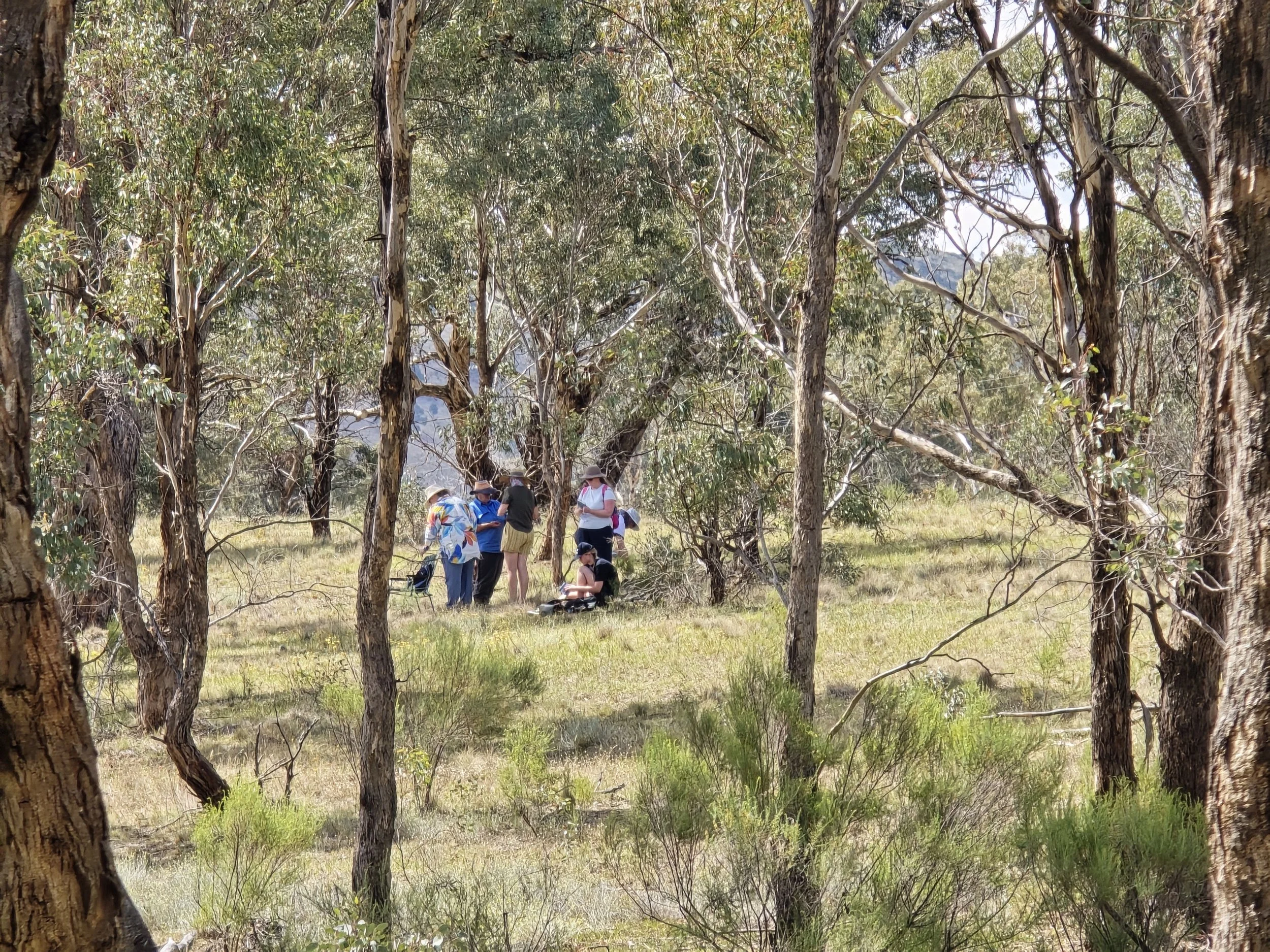
"I didn't know how tense I was until I realised how relaxed and calm I was after the walk."
— Former Customer
-
"I found that the sense of purpose lasted for weeks. Even my partner noticed I was less stressed."
—Former Customer
-
"This was an unexpected experience that I will treasure."
—Former Customer
The chronic disease burden in Australia is considerable and growing. In 2017–18, more than 11 million Australians (47%) had one or more of the 10 most common chronic conditions (including diabetes, mental health conditions, cardiovascular disease, cancer, asthma, arthritis and chronic obstructive pulmonary disease).
Sedentary lifestyles, poor diet and an ageing population further aggravate risks of these conditions. Nature prescribing can intersect with social prescribing in that both shift the focus from illness to wellness, enable consumer self-management and decrease a felt sense of helplessness, decrease loneliness and strengthen communities. The Consumer’s Health Forum of Australia and
The Royal Australian College of General Practitioners (RACGP) 2019 roundtable strongly supported the use of social prescribing in primary care.
Nature prescribing involves a health professional giving patients a recommendation to spend time in nature, and may also encompass written prescription, verbal counselling or referral to another provider. Nature prescribing may include prescribing nature-based activities that enhance physical activity and improve social connection, wellbeing and mental health. Nature therapy is sometimes referred to as ecotherapy, forest bathing or forest therapy.
Reprinted from AJGP Vol. 52, No. 4, April 2023
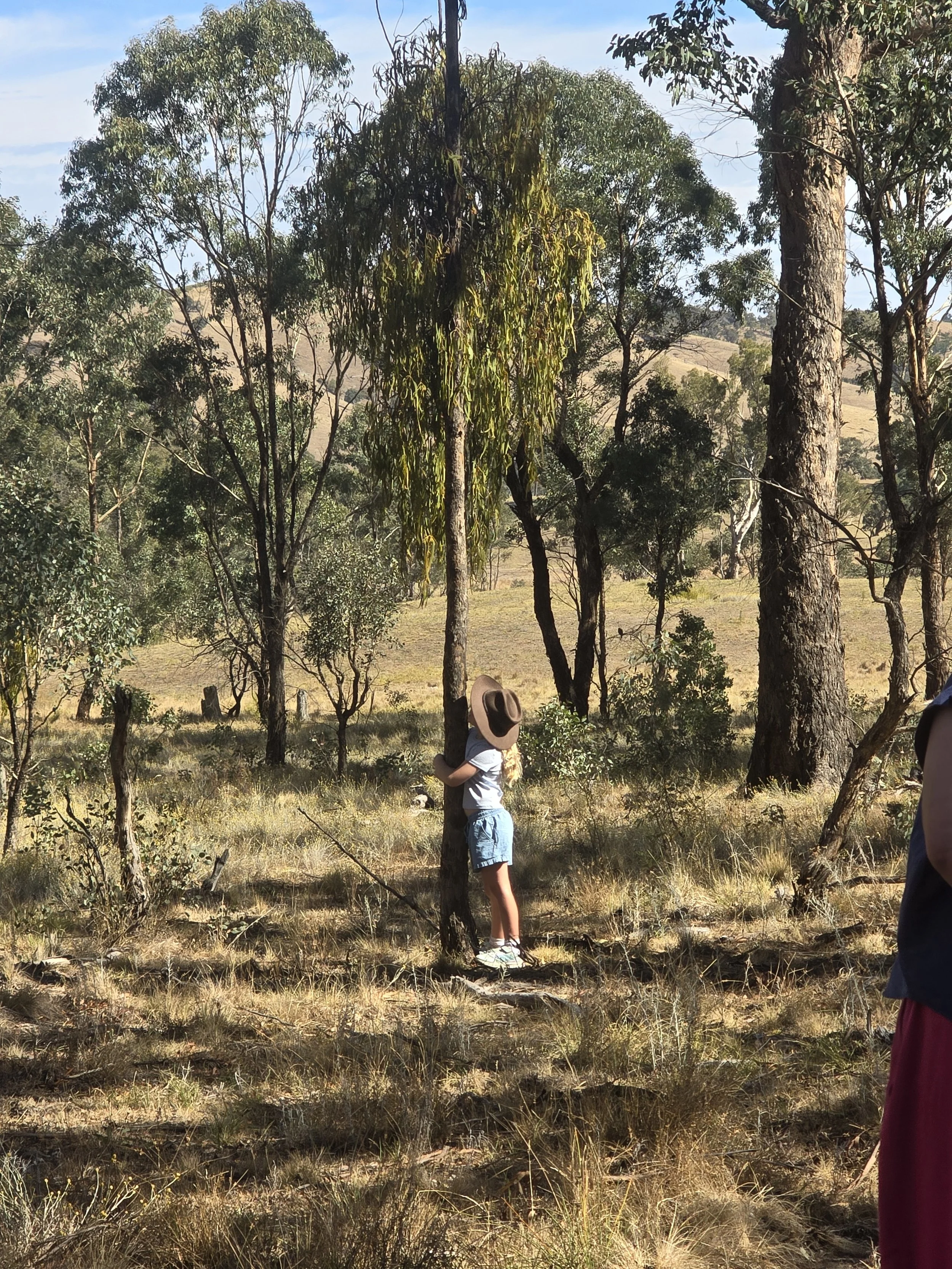
Our study revealed that forest therapy elicited a significant
(1) decrease in pulse rate,
(2) decrease in salivary cortisol levels,
(3) increase in positive feelings, and
(4) decrease in negative feelings. In conclusion, there are substantial physiological and psychological benefits of forest therapy on middle-aged females.
Ochiai, H., Ikei, H., Song, C., Kobayashi, M., Miura, T., Kagawa, T., Li, Q., Kumeda, S., Imai, M., & Miyazaki, Y. (2015). Physiological and Psychological Effects of a Forest Therapy Program on Middle-Aged Females. International Journal of Environmental Research and Public Health, 12(12), 15222-15232. https://doi.org/10.3390/ijerph121214984
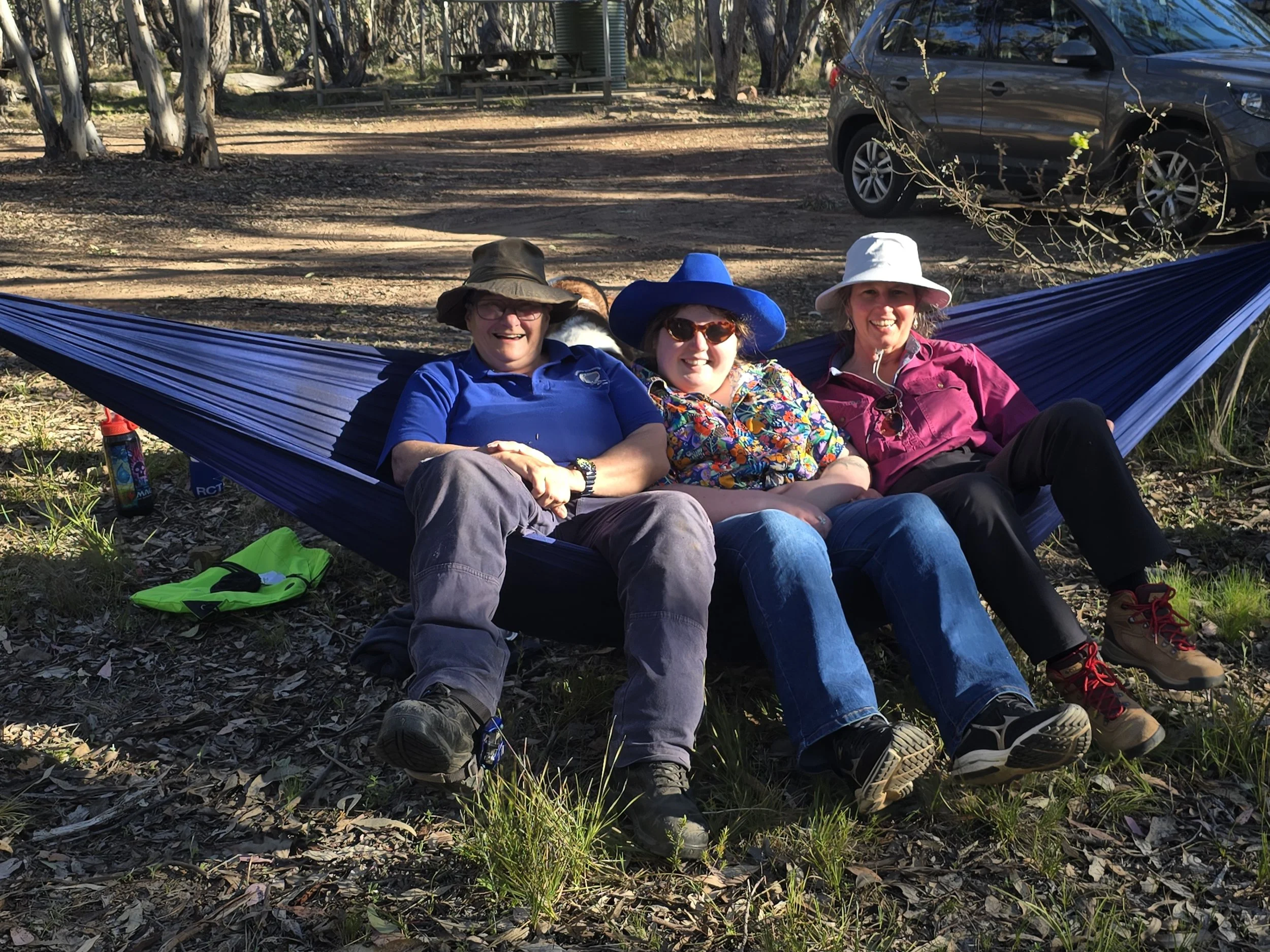
Studies have found that urban environments have a negative impact on physical and mental health. This is due to urban stressors such as increased noise levels, higher crime rates and rampant pollution.
Moreover, living in building-dominant surroundings increases stress levels. There’s growing scientific evidence that forest therapy is a cost-effective method of stress management, and also has the ability to improve physical
and mental wellbeing.
Keeren Sundara Rajoo, Daljit Singh Karam, Mohd Zaki Abdullah, The physiological and psychosocial effects of forest therapy: A systematic review, Urban Forestry & Urban Greening, Volume 54, 2020, 126744, ISSN 1618-8667,https://doi.org/10.1016/j.ufug.2020.126744.(https://www.sciencedirect.com/science/article/pii/S1618866720304039)